Walk into a 200-year-old haveli and run your hand along the stone walls. Compare it to a 10-year-old apartment with flaking paint and stained tiles. The difference isn't time — it's the materials, and how they age.
Most materials look their best on day one. Truly great materials look better in a decade. Here's how we think about choosing materials for the Indian climate.
The honesty test
Before any technical analysis, we ask: is this material being itself, or pretending to be something else? Vinyl flooring pretending to be wood, ceramic tiles pretending to be marble, PVC pretending to be metal — these always disappoint. Not because the imitation is bad, but because aging exposes the lie.
Materials that are honest about what they are tend to age into character. Imitations age into looking tired.
Brick — the gentlest ager
Terracotta brick is one of the most beautiful materials available in India. Exposed brick walls deepen in colour over decades, gather a soft patina of weather, and never go out of fashion. Lime-pointed brick especially handles Indian humidity well.
Use it for: facades, garden walls, accent walls, jali screens.
Avoid in: areas with heavy salt spray (coastal zones, where it can deteriorate without sealing).
Stone — the unchanging anchor
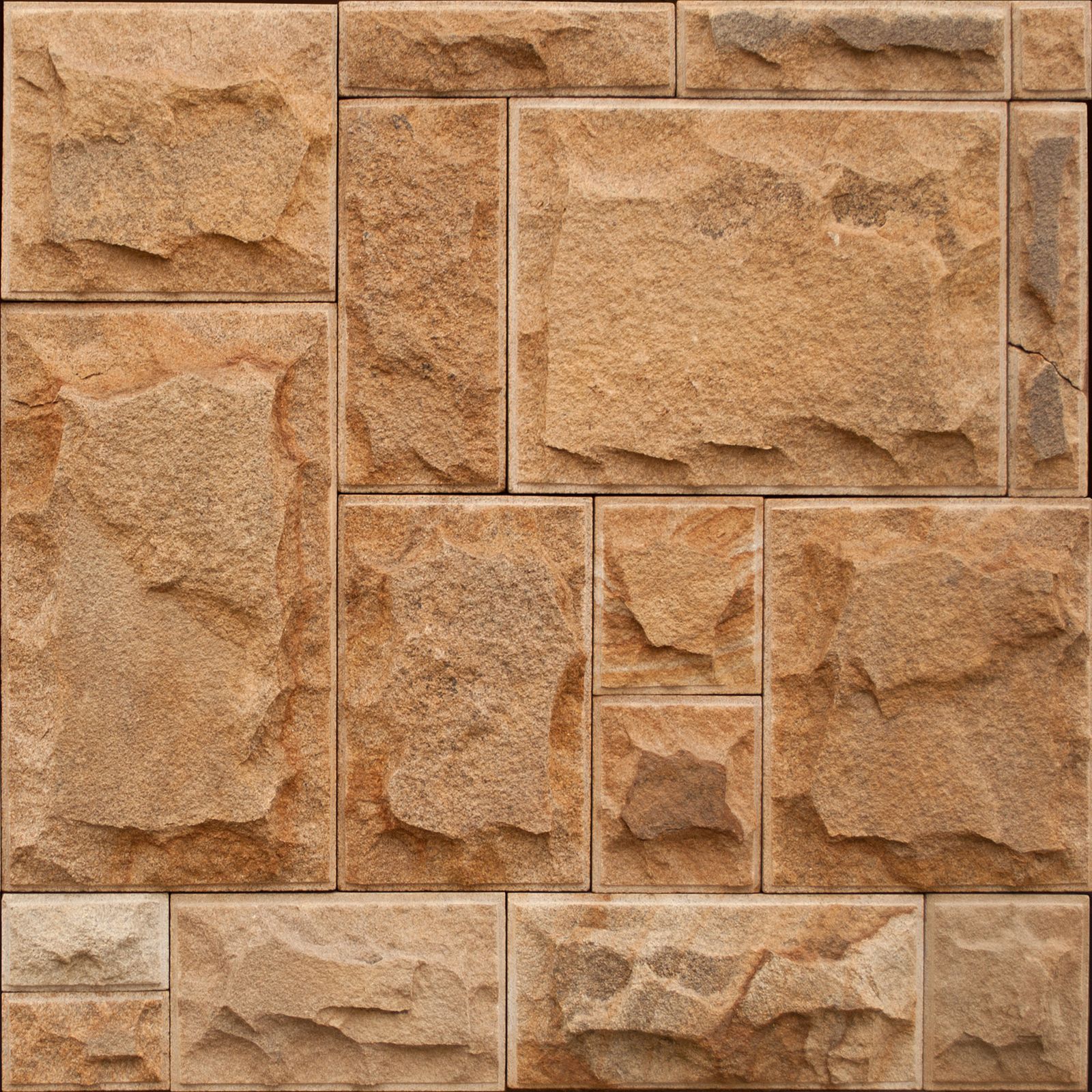
Kota stone, granite, basalt, marble — Indian stones are exceptional. Kota in particular ages magnificently as a flooring material; it cools spaces in summer, develops a soft sheen with use, and lasts decades. Granite countertops barely change in 50 years.
Use it for: flooring, countertops, plinths, courtyards, steps.
Watch for: Italian marble is beautiful but soft — etches easily with citrus, lemon, common Indian kitchen acids. For kitchens, pick granite, quartzite, or treated stone.
Wood — the breathing partner
Teak (sagwan) and Burma teak are the standards for a reason — they handle Indian heat and monsoon better than most imports. Other tropical species like sheesham (rosewood) are excellent for furniture. The key is buying well-seasoned wood and giving it the right finish.
Polish finishes age beautifully. Lacquer finishes can become brittle and yellow after 10 years. Always polish, never spray.
Use it for: doors, windows, joinery, furniture, ceiling panels.
Avoid in: direct contact with bathroom floors, exterior unprotected surfaces.
Concrete — the honest brutalist
Exposed concrete divides opinion — some love its honest, monolithic feel; others find it cold. What we know: good exposed concrete (called "fair-faced") ages into a beautiful soft grey, develops gentle water staining that actually adds to its character, and is virtually maintenance-free.
Use it for: walls, ceilings, exterior detailing.
Requires: excellent shuttering during construction. Cannot be fixed afterwards.
Brass and copper — the patina players
Unlike stainless steel, which stays the same forever (and eventually looks dated), brass and copper develop a unique patina over years. A copper kitchen counter becomes a family heirloom. Brass hardware on doors only gets richer with handling.
Use it for: door hardware, light fixtures, tap fittings, kitchen accents.
Tip: resist the urge to polish them constantly. The patina is the point.
What to avoid (or use cautiously)
- Glossy ceramic tiles on floor: show every scratch within 2 years.
- Cheap laminates: bubble & peel in humid weather.
- White paint everywhere: shows every speck of dust; needs repainting every 3 years.
- Plasterboard ceilings in bathrooms: sag with humidity.
- Premium imported wood without acclimatisation: warps in Indian humidity.
The principle
Choose materials for how they'll be, not how they look in a showroom. A space designed with materials that age well will feel more grounded, more loved, more itself with each passing year. That's the difference between a house and a home.
If you're planning a new build or a refurb and want help selecting materials, we'd be glad to walk through your project.